















Business Lookahead: Gauging the war's impact
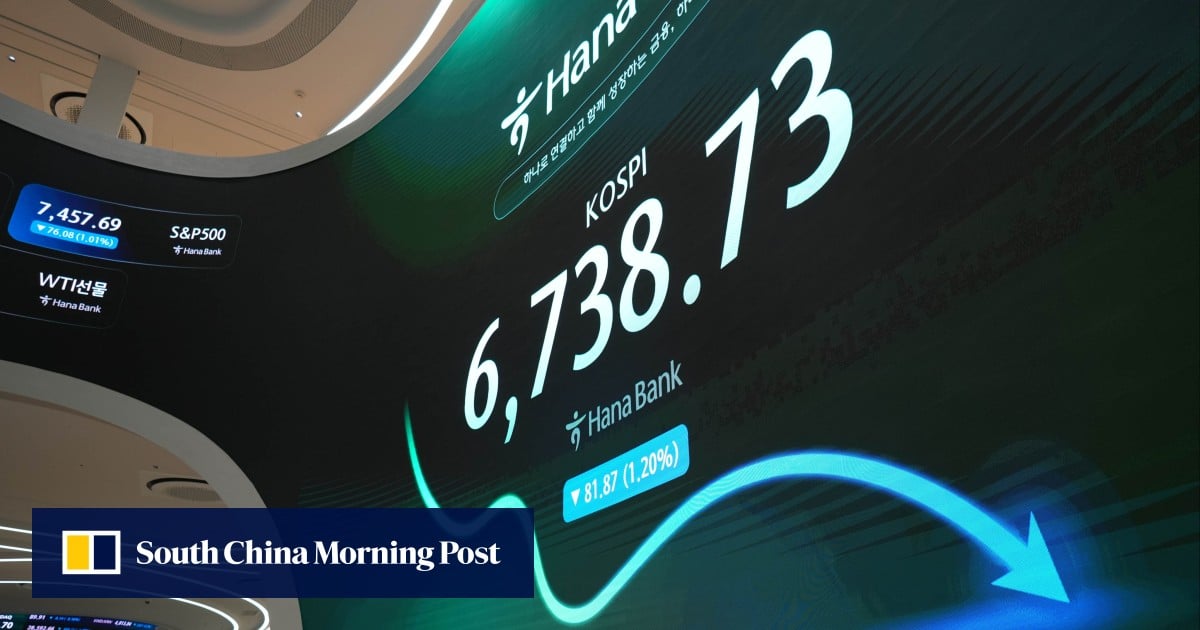
STORY: From a worrying drop in stocks to a surge in energy prices from the war in the Middle East to key data on jobs and trade, these are the stories to watch in business and finance in the coming week. ::Look Ahead::War impactThe first quarter is ending with financial markets at the mercy of geopolitics.The Iran war has wiped roughly $7 trillion off global stocks since it erupted.With oil prices up nearly 70% year to date, suddenly interest rates are heading up, rather than down, and energy-hungry AI does not look like such a slam-dunk anymore.Meanwhile, gold has plunged 16% after being nearly unstoppable since the start of 2025.We’ll see whether markets roll on or rollover as the second quarter begins.::Job growth in focusThe U.S. jobs report for March comes out Friday.It will offer a crucial view into the economy's health as investors gauge fallout from the energy price surge.Monthly payrolls are seen rising by 48,000, according to a Reuters poll. February's surprisingly weak report caught Wall Street off guard, showing nonfarm payrolls fell by 92,000 while the unemployment rate increased to 4.4%.Uncertainty over the Iran war is also clouding the economic forecasts for the Federal Reserve, with Wall Street pulling back on expectations for U.S. interest rate cuts this year as the oil price surge fuels concerns about rising inflation.Other U.S. data in the coming week includes retail sales for February and reports on manufacturing and services activity.::Chip checkSouth Korea releases its trade data for March on Wednesday.It will provide an early indicator of how the global economy is holding up in the face of the war and the resulting shock to energy prices. Korea's export-heavy economy is a bellwether for global trade and one of the first to report data from the previous month.Its manufacturing fortunes are of even greater interest than usual, not just because of its dependence on Middle Eastern energy imports, but also because its world-leading DRAM chips are of critical importance to the AI sector and currently in short supply too. ::Inflation assessmentAnd flash euro zone inflation for March is due on Tuesday. After long hovering around the 2% mark, higher energy prices are now expected to push headline inflation up, as they did in 2022. The question is, how large and sustained any jump in inflation might be.Early data is not painting a pretty picture. Private sector growth in the euro zone slowed sharply in March, with input costs rising to their highest in more than three years and supply chains being significantly disrupted.Money markets are now heavily pricing in a rate hike which was almost unthinkable before the Iran war.





STORY: From a worrying drop in stocks to a surge in energy prices from the war in the Middle East to key data on jobs and trade, these are the stories to watch in business and finance in the coming week. ::Look Ahead::War impactThe first quarter is ending with financial markets at the mercy of geopolitics.The Iran war has wiped roughly $7 trillion off global stocks since it erupted.With oil prices up nearly 70% year to date, suddenly interest rates are heading up, rather than down, and energy-hungry AI does not look like such a slam-dunk anymore.Meanwhile, gold has plunged 16% after being nearly unstoppable since the start of 2025.We’ll see whether markets roll on or rollover as the second quarter begins.::Job growth in focusThe U.S. jobs report for March comes out Friday.It will offer a crucial view into the economy's health as investors gauge fallout from the energy price surge.Monthly payrolls are seen rising by 48,000, according to a Reuters poll. February's surprisingly weak report caught Wall Street off guard, showing nonfarm payrolls fell by 92,000 while the unemployment rate increased to 4.4%.Uncertainty over the Iran war is also clouding the economic forecasts for the Federal Reserve, with Wall Street pulling back on expectations for U.S. interest rate cuts this year as the oil price surge fuels concerns about rising inflation.Other U.S. data in the coming week includes retail sales for February and reports on manufacturing and services activity.::Chip checkSouth Korea releases its trade data for March on Wednesday.It will provide an early indicator of how the global economy is holding up in the face of the war and the resulting shock to energy prices. Korea's export-heavy economy is a bellwether for global trade and one of the first to report data from the previous month.Its manufacturing fortunes are of even greater interest than usual, not just because of its dependence on Middle Eastern energy imports, but also because its world-leading DRAM chips are of critical importance to the AI sector and currently in short supply too. ::Inflation assessmentAnd flash euro zone inflation for March is due on Tuesday. After long hovering around the 2% mark, higher energy prices are now expected to push headline inflation up, as they did in 2022. The question is, how large and sustained any jump in inflation might be.Early data is not painting a pretty picture. Private sector growth in the euro zone slowed sharply in March, with input costs rising to their highest in more than three years and supply chains being significantly disrupted.Money markets are now heavily pricing in a rate hike which was almost unthinkable before the Iran war.




What's Your Reaction?







:max_bytes(150000):strip_icc()/GettyImages-2187410260-5afe56694791404f99c253dd8d5abe6a.jpg?#)